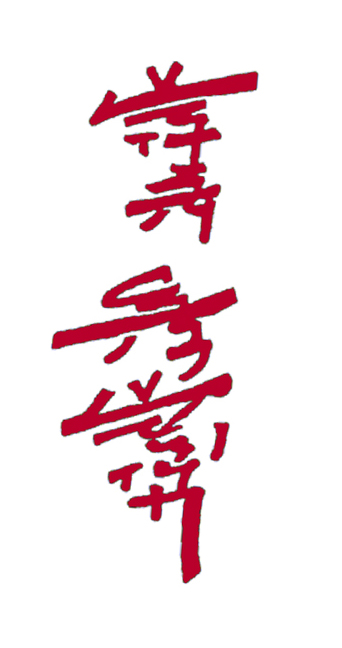
As the holiday season arrives and we stand at the threshold of a new year, I would like to extend my warmest wishes to each of you and your loved ones. As we prepare to welcome 2026, it is worth acknowledging that 2025 has been a challenging year for many—physically, emotionally, and spiritually. May this holiday season bring you peace, renewal, and moments of genuine connection, and may the coming year offer clarity, health, and steady progress.
It is often said that nothing—good or bad—remains the same forever. Change is the bridge that connects the two extremes of nature and human experience. I would like to share a few reflections on the nature of change from my own perspective.
As martial artists—training as students, continuing our practice as Black Belts, guiding others as instructors, and providing leadership as Masters—we are all engaged in lifelong development. With that in mind, I would like to leave you with my understanding of the word change.
Change
Every individual stands somewhere between two impulses: the desire to change and the wish to preserve what already exists. In most communities, organizations, and personal lives, meaningful change rarely occurs through dramatic leaps. More often, it unfolds quietly—through small, thoughtful adjustments made over time.
When change is gradual, intentional, and guided by understanding, it can be both safe and beneficial. Such change allows insight to develop alongside action. Like slow digestion, it gives the system time to absorb, adapt, and integrate without strain. Long-term investing reflects this principle well: steady, consistent growth builds resilience and strength, while the pursuit of rapid gains often introduces instability and unnecessary risk.
Forced or rapid change, by contrast, resembles gambling. It is driven by urgency rather than clarity, reaction rather than observation. When immediate results are demanded, patience erodes, emotions rise, and judgment gives way to impulse. This is often why frustration surfaces so quickly—speed itself creates disorder.
At the same time, choosing to keep things largely as they are is not always a sign of resistance or fear. Sometimes it reflects wisdom. When significant changes have already occurred externally, no additional internal shift may be necessary. In such moments, stability becomes an intelligent response. Stillness is not stagnation; it is discernment.
There is deep wisdom in knowing when to change and when to remain steady. Not all change leads to improvement, and not all continuity signals rigidity. True balance lies in understanding whether transformation is genuinely required—or whether what already exists is sufficient, clear, and whole.
As we move forward into the new year, may we continue to practice patience, cultivate awareness, and act with intention—both on and off the mat.
With respect and gratitude,
Master Thinh