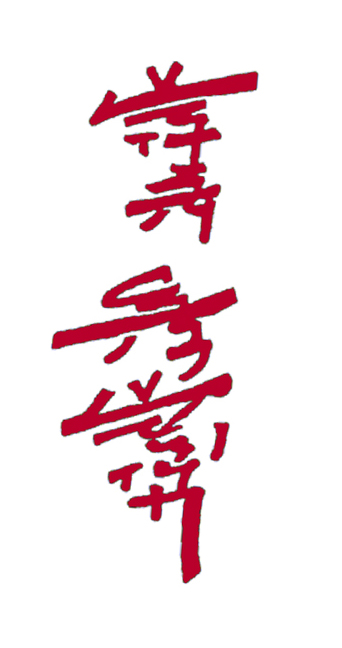
Dear Master Ron, Master Rusty, and Master Kha,
I would like to share a few thoughts with the three of you—not as a formal lesson, but as something that has grown inside me through many years of training, teaching, and living.
I have always reflected deeply on one word: character.
Many people speak about character. They describe it with words such as honor, discipline, loyalty, or courage. But the longer I live, the more I feel that character cannot truly be explained by words alone. Words may point toward it, but they cannot fully reveal it. The real meaning of character only appears when a person lives through difficult moments and faces himself honestly.
For me, true character is shown in the dark, when no one is watching. In those moments there is no audience, no praise, and no judgment. What a person chooses to do then reflects the deepest part of who they are.
People often speak about someone’s character because they observe actions over time—how a person treats others, how they keep their promises, and how they respond to pressure. But the deepest part of character remains unseen, because it lives in the private battles that only the individual experiences.
Perhaps it is like the roots of a tree. Everything above the ground—branches, leaves, flowers, and fruits—can be seen. They grow, change, and eventually disappear. But the roots remain hidden, quietly holding and feeding the tree. If the roots are strong, the tree will stand through many storms.
This is why, over the years, I have placed a great deal of weight on the word “character” in our Student’s Oath. It is not simply a word that we recite together. To me, it represents the foundation of everything we practice. Technique, strength, speed, and knowledge can all be developed with time and effort. But character must be built from within, often through quiet struggle and honest self-reflection.
When I was a young boy, I watched Western cowboy movies and Japanese samurai films. At that time, I did not fully understand why they impressed me so much. Only later, when I came to the United States alone, did I begin to understand. Being alone, facing uncertainty, and learning to depend on my own strength allowed me to begin tasting the true meaning of character.
Loneliness, difficulty, and responsibility became my teachers.
In many ways, solitude became part of my training. Karate helped guide me into a quiet world of self-discipline and self-reflection. Much of the real training does not happen in front of others. It happens in silence, through repetition, patience, and honest self-examination.
Because of this, I have often felt that I do my best work when I am alone. Solitude has shaped my bones and my muscles. It has become part of who I am.
I share this with you because each of you has walked a long road in your training. Skill in martial arts is important, but skill alone is never the final destination. What truly matters is the character that is formed along the way.
As Masters, people may look to you for technique, knowledge, and leadership. But the most important thing they will learn from you is something much deeper—the quiet example of how you live your life, especially when no one is watching.
Karate, at its highest level, is not only about fighting or winning. It is about shaping the person within. It is about developing strength that remains steady in both light and darkness.
Now that you are Masters, you carry more than your own training. You carry the responsibility of shaping the character of the next generation of students. What they become will be influenced not only by what you teach them, but by the example you live every day.
I am proud of each of you, not only for your accomplishments, but for the paths you continue to walk.
Please continue your training—not only in the dojo, but within yourselves.
Train your technique for the day, but train your character for a lifetime.
With respect,
Master Thinh