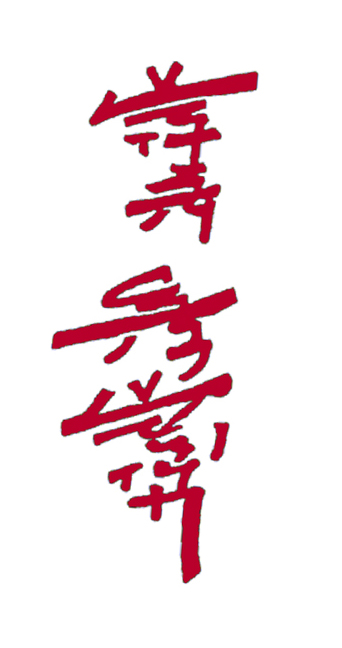
Before turning to another chapter of reflection, I would like to first complete this chapter on the development of character.
March 14, 2026
Houston, Texas
Dear Master Ron, Master Rusty, and Master Kha,
After many years of training, teaching, and observing people, I have often reflected on a simple but important question: What gives a person real value? Not the kind that comes from titles or recognition, but the kind that is built quietly through character and conduct over time.
In everyday life, many people measure value by recognition, praise, position, or influence. These things can create the appearance of value, but they are often temporary. Words of praise can be easily given, and recognition can change with time and circumstance.
True value, I believe, is revealed through consistent behavior over time.
People who truly value you will respect your time. They will listen when you speak. They will remain present when difficulties arise, not only when things are convenient. One of the clearest signs of respect is something that most people never see: how someone speaks about you when you are not present. Respect that exists only in front of you may be courtesy; respect that continues when you are absent is much closer to truth.
However, there is something even deeper that martial arts has always tried to teach us.
If a person measures his worth only by how others value him, his peace will always depend on something outside of his control. People change. Circumstances change. Sometimes people value us because we are useful to them, and when that usefulness fades, their attention may fade as well.
For this reason, a martial artist must build something stronger within himself.
In traditional karate, a person’s true value is not measured by the speed of their techniques, the strength of their strikes, or even the number of their victories. Those things belong to the outer layer of training. The deeper purpose of training has always been the development of character.
Through many years of observation and reflection, I believe there are several principles that help a person build real and lasting value:
Build Character Character is the foundation of value. It means doing the right thing even when no one is watching. Honesty, responsibility, humility, and discipline slowly shape the kind of person others can trust.
Keep Your Word When you say you will do something, do it. A person whose words can be trusted becomes valuable to others in business, friendships, and family.
Develop Competence Learn skills and knowledge that allow you to solve problems and help others. People who can create solutions become naturally valuable in any environment.
Be Consistent Anyone can do something good once. Value is built when people see the same reliability and integrity over many years.
Serve Others Without Needing Recognition Helping others without always needing credit creates quiet respect. People notice it even if they never say it.
Control Your Ego Ego destroys value. A person who constantly needs praise or recognition weakens their own strength. Quiet confidence is much stronger.
Continue Growing A valuable person never believes they are finished growing. They continue learning, adjusting, and improving throughout life.
These principles, in many ways, reflect the deeper purpose of martial arts training.
A true martial artist learns to control power rather than display it. The ability to cause harm exists, but the discipline to restrain that power is what reveals maturity. Over time, this restraint becomes a form of quiet strength.
Anyone can appear strong for a moment. But a true master reveals the same discipline, humility, and clarity for many years and through many circumstances.
At the highest level, I believe the value of a master is not measured by how powerful he becomes, but by how many others he helps grow—how many students develop character, confidence, and direction through his guidance.
These are simply reflections that have come to me through time. I share them with the three of you because each of you continues to walk the path of martial arts not only through technique, but through teaching and example.
In the end, the deepest value of our training may not be found in competition, rank, or recognition. It may simply be found in the quiet shaping of our character, and in the influence we leave behind in the lives of those who train with us.
With respect,
Master Thinh Nguyen